
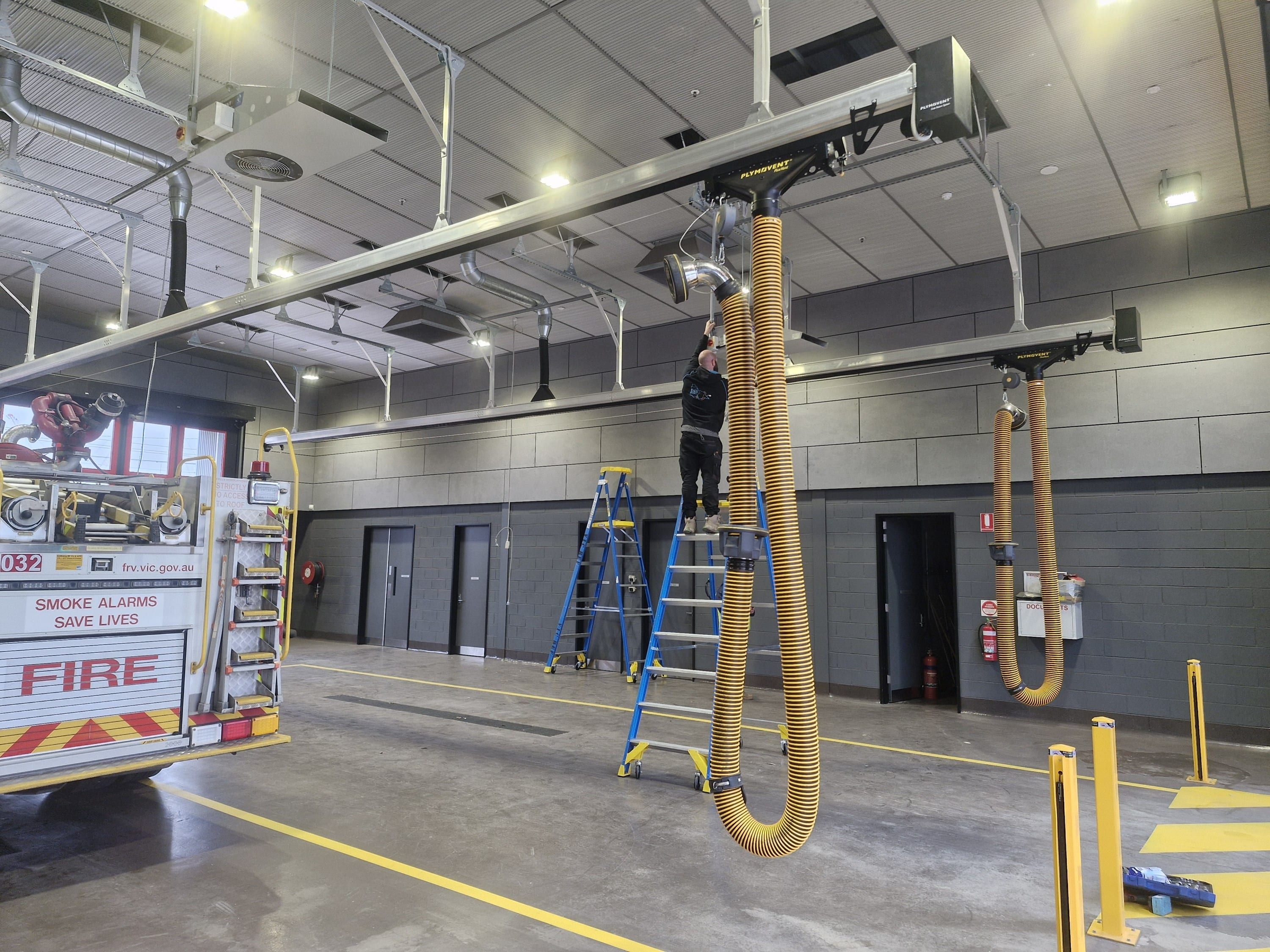
For facility managers
Maintenance to schedule, breakdowns answered.
A schedule per asset, a report after every visit, and an asset register your auditor can pick up and follow. Set up in one site walk.
Something down right now? Call the office. Breakdowns are taken contract or not.
- Planned maintenance (PPM)
- Breakdown response, after hours if you're on a maintenance agreement
- Ten year workmanship warranty on systems we install and maintain
- Service reports your audit can rely on
The quiet failure mode
An unserviced plant room keeps its secrets.
Nothing looks wrong until the hottest week of the year, or the audit that lands on your desk with a history behind it.
The PPM slips quietly
Visits drift and small faults compound. By the time it's visible, it's a capital conversation.
Breakdown limbo
A contractor who won't answer turns a bad afternoon into a bad week, and you're the one the tenants call.
No paper trail at audit
Work that was done but never recorded might as well not have happened. The auditor can only read what exists.
The cure is boring and that's the point: a schedule that holds and a report after every visit.
How it works
From first walk to a running schedule.
Book the review
A walk of your plant with whoever knows the site, and a read of whatever records exist.
Set the schedule
A PPM schedule per asset with the visits, the scope of each and the reporting agreed up front.
Reports that hold up
A report after every visit and an asset register kept current.
What you get
Four things, done every time.
Planned maintenance (PPM)
A schedule per asset, done when it's scheduled. The plant runs and the surprises shrink.
Breakdown response
Answered within 24 hours, after hours if you're on a maintenance agreement, and closed out with the cause in writing. Breakdowns are taken contract or not, and maintenance customers get priority.
Service reports
What was done, what was found, what needs watching. Service reports to AS 1851 for fire and smoke control equipment and AS/NZS 3666 for cooling towers and microbial control, with maintenance schedules based on AIRAH DA19. Filed so the auditor gets what they need without chasing you.
Essential safety measures
The mechanical items on your annual essential safety measures report inspected, tested and recorded, so the report can be signed without anyone chasing history.
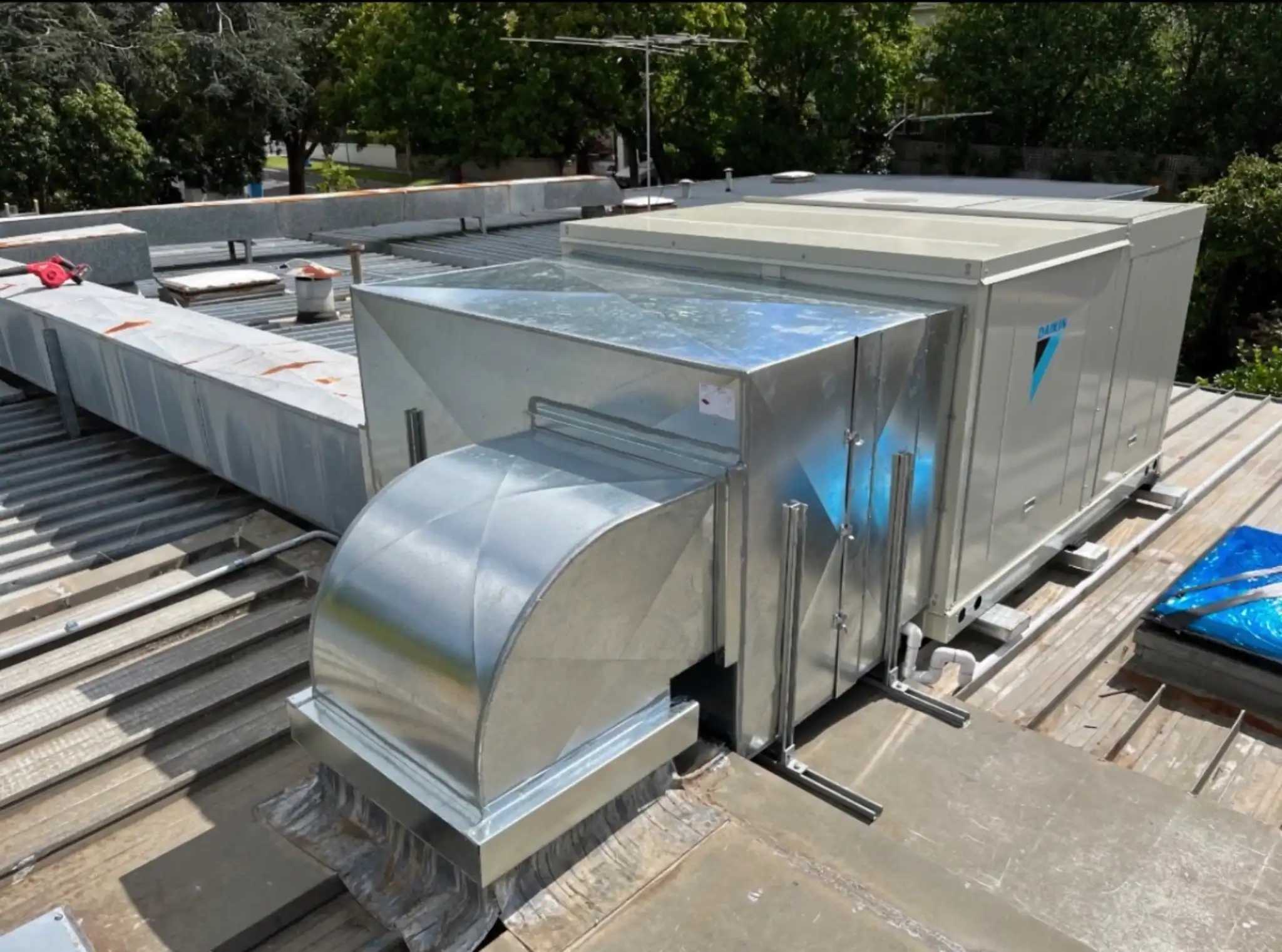
Central plant is the job. Chillers, cooling towers, chilled and condenser water, heating hot water, VRF including Daikin VRV, and BMS integration. We install it on new work and keep it running for the life of the building.
Ten years, because we're in the building.
Systems we install and maintain carry our ten year workmanship warranty while the maintenance stays in place, against a twelve month defects liability period in the standard subcontract. Both halves have to be ours: we warrant our own installation, not an install we inherited.
The same agreement carries after-hours breakdown cover and priority response when something fails. On a site we take over, the ten years applies to work we carry out from the day the agreement starts, not to the original installation.
The right fit
Who this schedule is built for.
This is for you
Facility managers with real plant, audit obligations and more than one thing that can break, or several smaller sites where one schedule beats managing fifteen separate providers. A schedule per asset and a report after every visit.
This is not for you (yet)
Our schedule is built for buildings with real plant and audit obligations. One split system, at one site, with nothing else to maintain, is a job for a local installer.
Frequently asked
What facility managers ask us first.
What does planned maintenance cover?
A schedule per asset rather than a blanket visit count, with the scope of each visit agreed up front so you know what you are buying.
What happens when something breaks down?
Breakdowns are taken contract or not. On a maintenance agreement you get priority and after-hours response, and every callout closes out with the cause in writing.
What's in the service reports?
What was done, what was found and what needs watching. Service reports to AS 1851 for fire and smoke control equipment and AS/NZS 3666 for cooling towers and microbial control, with maintenance schedules based on AIRAH DA19, filed so your auditor can read them without chasing you.
Can you take over sites mid-contract?
Yes. The review walk reads whatever records exist, rebuilds the asset register, and sets the schedule from there.
Where do you service?
Melbourne CBD and the south-eastern suburbs, down to Portsea.